Wedding Weekend
Four days, one team, one place
A destination wedding that lasts five hours wastes the trip your guests made. This is the format Mendoza does best.
Arrival and welcome dinner
Guests land in Mendoza and settle into the group's hotels in the city. In the evening, the weekend opens around a long table — the first time everyone is in the same room.
Wine and mountain
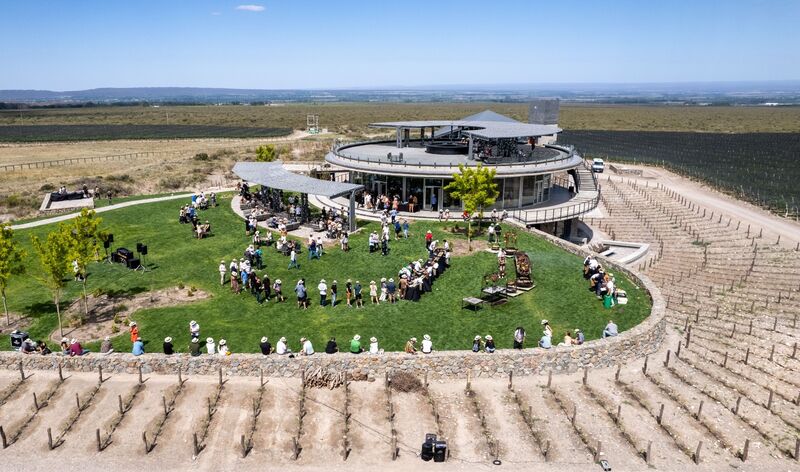
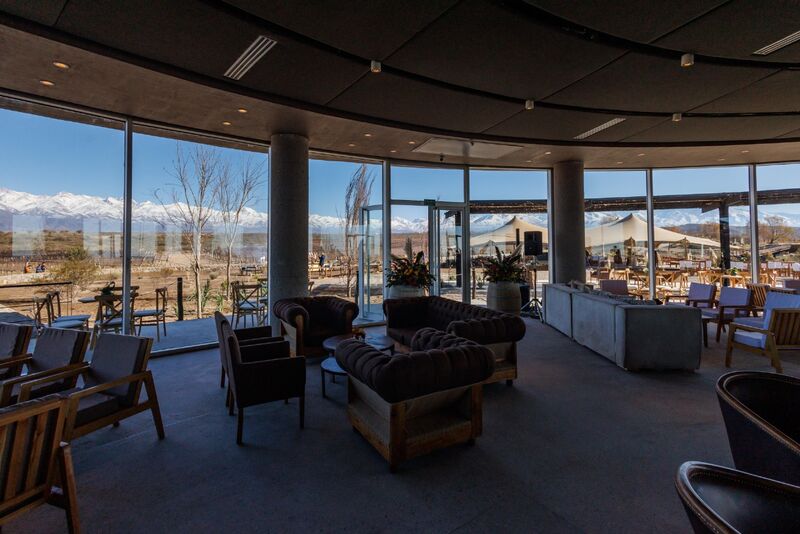
Tastings at the winery, a walk through the vineyards, lunch facing the Andes. Guests who want more can take a high-mountain excursion or a horseback ride.
The wedding
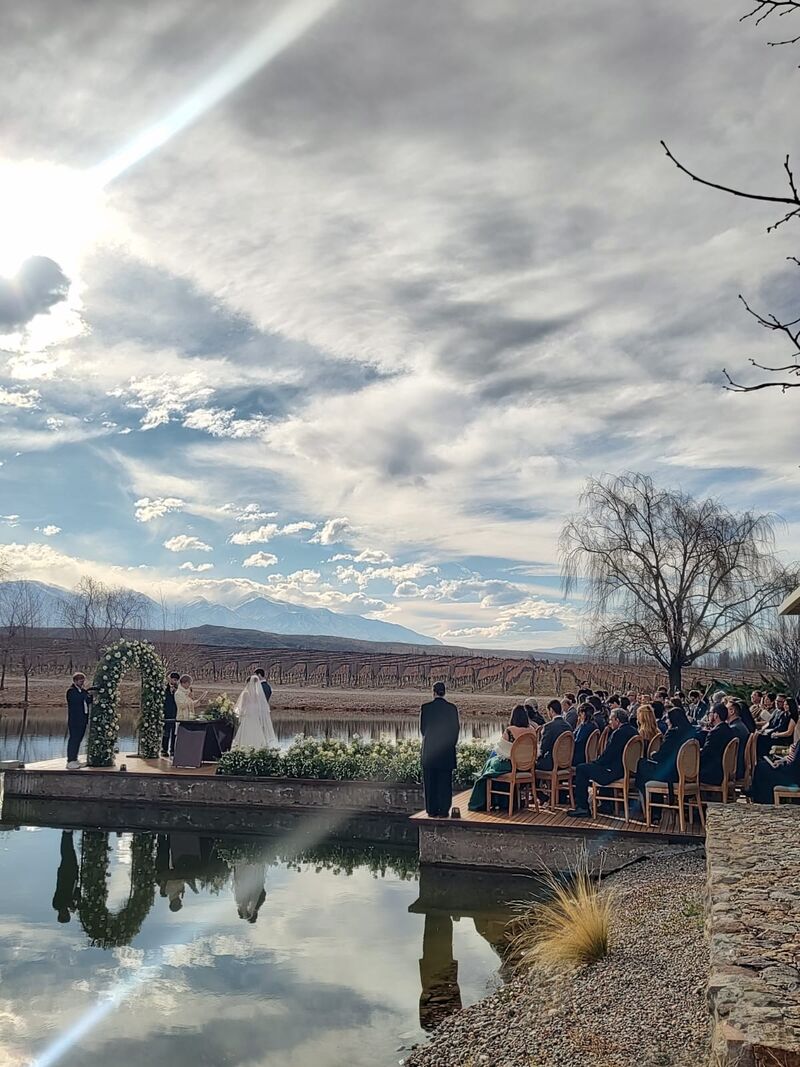
Charter transport to Gualtallary, ceremony among the vines timed to the sunset, reception and celebration. Transport back to the city at the end of the night.
Farewell brunch
One more long table, Mendoza sun, and the unhurried goodbye that turns a wedding into a trip people talk about for years.
Why the format works here
Mendoza has an agenda of its own. Wine tourism, high mountains, a serious restaurant scene and a walkable city center mean your guests are never waiting around between events. That is what sustains three or four days without anyone getting restless.
What it changes for you
- Cost per day drops. Extending from two days to three usually raises the couple's cost proportionally less than the value guests perceive.
- Guests already paid for the nights. Additional events use hotel nights they were booking anyway.
- The pressure comes off the wedding day. When there are four days, everything does not have to happen in five hours.
- One operator. Every event of the weekend runs through the same team — the alternative is coordinating four venues from another continent.
Guest logistics
Guests sleep in the city, where the hotel capacity is, and celebrations happen among the vineyards. Every event at the estate includes charter transport in both directions with time margin — a line item that belongs in the wedding budget, not in your guests' hands.
The weekend, in images